HUMOR!
By © Dr. Hilmar Alquiros, The Philippines, 2024

... in progress(!):
Table of Contents
0.1. The Nature and Importance of Humor
0.2. Objective and Scope of the Book
0.4. Cultural Diversity of Humor
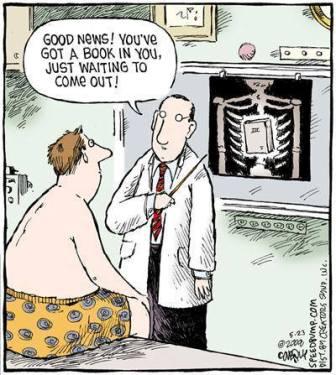
The author, pregnant with this book! :-)
"I told my wife she should embrace her mistakes. She gave me a hug."*
* See Ch. A.3.! :-)
Welcome to a journey through the world of humor!
This book delves into humor's various facets, exploring its historical, cultural, psychological, and sociological dimensions. The introduction sets the stage for an insightful and entertaining exploration of humor in all its forms What can you expect in this book? A whirlwind tour through:
-
The Nature and Importance of Humor: Unraveling humor's complexities and its benefits in our lives.
-
Objective and Scope: A unique blend of scholarly insight and playful narrative.
-
Evolution of Humor: Tracing humor's journey from ancient times to the digital age.
-
Cultural Diversity of Humor: Exploring how humor varies and connects us across cultures.
Each section aims to provide a comprehensive understanding of humor, blending academic analysis with engaging examples and anecdotes. This introduction is just a taste of what's to come, an invitation to both the curious and the scholarly to explore the fascinating world of humor.
(cartoon)
Dear reader, do you like humor?! And do you agree to have a lot of humor - as 100% of all your fellow humans do?! :-) Here some appetizers:
-
Reflecting on Humor's Origins: "Have you ever wondered if our sense of humor is something we're born with or perhaps a skill we pick up from those around us?"
-
Exploring Personal Connections to Humor: "What kind of humor makes you laugh the most? Isn't it intriguing to think about how diverse our humor preferences can be?"
-
Contemplating the Depth of Humor: "Have you considered how humor can be both light-hearted and profoundly wise at the same time?"
-
A Journey Through Humor's History: "What do you think the evolution of humor looks like, from ancient anecdotes to modern memes?"
-
Appreciating Humor Across Cultures: "Isn't it fascinating to see how humor can change from one culture to another, yet also connect us across borders?"
-
Recognizing Humor in Our Lives: "How do you see humor playing a role in your daily life, relationships, and overall well-being?"
-
Understanding Humor's Impact: "Let's explore together the ways humor goes beyond just making us laugh, touching aspects of our cognition and social interactions."
-
Humor as a Social Mirror: "Think about how humor not only reflects our societal norms but also has the power to challenge and reshape them."
-
The Universal Language of Laughter: "Join me in discovering how laughter creates bridges, bringing people together despite their cultural differences."
0.1. The Nature and Importance of Humor
Humor is a multifaceted phenomenon that encompasses a wide range of expressions: from verbal wit and physical comedy to subtle irony and sharp satire. Its complexity lies in its subjective nature, varying significantly across cultures and individuals, and its capacity to reflect and respond to the human condition.
-
Humor's elusive nature: Briefly touching on the challenges of defining humor, highlighting its complexity and subjectivity, with playful metaphors or anecdotes to illustrate this difficulty.
-
Beyond entertainment: Discussing humor's benefits, delving into specific examples of how it fosters cognitive flexibility, enhances stress resilience, and facilitates communication.
-
Humor's cultural impact: Mentioning how humor shapes social norms, critiques power structures, and even influences political movements.
0.1.1. Defining Humor
Defining humor is akin to capturing a rainbow! :-)
Humor is elusive, subjective, and varies dramatically across cultures and individuals. Let' attempts to unravel the complexities of humor, offering a nuanced understanding of this multifaceted phenomenon!
-
Defining humor... is an intricate endeavor, as it intertwines with the intricacies of human psychology, cultural context, and individual perception. At its core, humor can be viewed as a cognitive and emotional process that elicits amusement and laughter.
-
It arises from... the perception of incongruity or absurdity in a situation, statement, or behavior, and is heavily influenced by social norms, cultural backgrounds, and personal experiences. This dynamic interaction of cognitive appraisal, emotional response, and social context makes humor a unique and deeply personal experience for each individual.
-
It transcends... mere linguistic play or jest; it's an essential element of human interaction that fosters connection, eases tension, and enriches our daily lives. In this work, we will explore the multifaceted nature of humor, delving into how it is perceived, processed, and utilized across different cultures and by individuals, revealing its role as a complex, yet universally relatable, aspect of the human experience.".
More than mere entertainment, humor is a vital component of psychological well-being and social interaction. This section discusses how humor acts as a tool for stress relief, cognitive flexibility, social bonding, and more, backed by case studies and examples.
-
The role of humor: psychological well-being, social bonding, and coping mechanisms.
-
Humor is not just entertaining: but also crucial for human health and societal cohesion.
-
Psychological and Social Benefits: Humor goes beyond entertainment, playing a crucial role in mental health, social bonding, and effective communication.
-
Case Examples: Humor's impact, like a study on laughter therapy or anecdotes of humor bridging cultural divides.
0.2. Objective and Scope of this Book
-
Unique blend: This book's distinctive approach is combining scholarly analysis with wit and humor, by use of playful language and metaphors to convey mankind's passion for the subject.
-
Humor forms foundation: The specific categories of humor (verbal, physical, situational, etc.) will be explored in the book.
-
Beyond academics: While acknowledging the scholarly audience, we assure readers that the book is accessible and engaging for anyone with an interest in humor.
-
Purpose, Approach, Target Audience: The book's purpose is to dissect and understand humor in all its forms, blending academic analysis with entertaining examples. It aims to explore various types of humor and their societal and individual impacts. Designed for a wide array of readers - from scholars and students to humor enthusiasts and general readers - this book seeks to cater to anyone interested in the fascinating world of humor.
The Time Dimension of Humor!
-
Historical Evolution: Tracing humor from its ancient roots to modern forms: here we explore how humor has evolved across eras.
-
The Constant of Change: Humor reflects the ever-changing nature of human society, adapting and evolving with cultural and technological shifts throughout history.
-
Timeless Forms: Certain humor forms, such as slapstick, puns, and satire, have shown remarkable resilience and have withstood the test of time, adapting to various historical and cultural contexts while maintaining their essence and appeal.
0.4. Cultural Diversity of Humor
The Space Dimension of Humor!
-
Global Variations: Exploring the global landscape of humor in the "Comedy of Cultures" chapter, to showcase the rich tapestry of humor styles, themes, and delivery methods across different cultures.
-
Adaptation and Change: This part highlights how humor dynamically adapts to shifting cultural, technological, and societal influences, reflecting the evolving nature of human societies.
-
Universal Humor: Despite cultural variances, certain humor elements are universally relatable, transcending cultural boundaries to connect people through shared laughter, relief, and social bonding.
-
The Theories of Humor: Delving into the scientific understanding of humor, this section explores various theories that attempt to explain why and how things are funny. From the relief theory of Freud to the superiority theory and the incongruity theory, we examine the psychological underpinnings of humor and its effects on the human mind.
-
The Psychology of Laughter: Exploring the cognitive and emotional processes behind laughter and humor. This includes studies on how humor affects mood, relieves stress, and improves mental health, as well as its role in social interactions and bonding.
-
Humor in Neurology: Investigating the neural pathways activated by humor. This section looks at what happens in our brains when we find something funny, including the release of endorphins and the activation of various brain regions responsible for processing humor.
-
Case Studies in Humor Research: Presenting interesting case studies and experiments that reveal how humor functions, such as the impact of laughter therapy on various health conditions or the role of humor in educational settings to enhance learning and retention.
-
Future Directions in Humor Research: Discussing emerging areas of research in the field of humor science, including the use of artificial intelligence to understand and generate humor, and the exploration of humor's therapeutic potential in mental health treatment.
(Cartoon)
And now, dear reader, you might be better prepared for the "very short" :-)
Table of Content
for the main part of this
journey called "book"(!):
Table of Contents
|
A.4. Literature and Poetry - Towers of Wit A.11. Music - Symphony of Smiles A.12. Cabaret, Comedy and Comedians |
A.1.1.3. Observational Word Play
A.1.1.5. Content-Related Examples
A.1.5.1. Misunderstood Metaphor & Humorous Simile
A.1.5.3. High-register Word Use
A.2.8. Cultural Misunderstanding
A.3.1.6. Absurdist and Nonsensical Jokes
A.3.1.7. Political and Social Commentary Jokes
A.3.4. Exaggeration + Hyperbole
A.4. Literature and Poetry - Towers of Wit
A.4.1. Political + Social Satire
A.4.3. Parody in Literature + Media
A.6.4. Black Comedy in Literature and Film
A.6.5. Dark Humor in Stand-up Comedy
A.6.6. Cultural Differences in Dark Humor
A.8.6. Audience Participation Comedy
A.9.3. Parodies of Cultural Norms:
A.10.4. GIF Humor: Looping Laughs and Quirky Capers
A.10.7.2. Animation - From Mickey to Mayhem
A.10.7.3. Golden Age of Hollywood - Laughter with a Side of Classic Charm
A.10.7.4. Humor in Film and Television: A Global Giggle
A.10.7.5. Modern Comedy: Pushing the Boundaries of Funny
A.11. Music - Symphony of Smiles
A.11.6. Jingles and Commercials
A.11.7. Song Spoofs in Film and TV
A.11.9. Internet Music Sensations
A.11.10. Improvised Musical Comedy
A.12. Cabaret, Comedy and Comedians
A.12.1. Vaudeville and Music Halls: The Original Comedy Clubs
A.12.2. Stand-up Comedy: A Modern Evolution
A.12.3. Cabaret: The Artistic Amalgamation
A.12.4. Comedy Duos and Groups: Harmony in Humor
A.12.5. Comedy Clubs: Laughter Laboratories
A.12.6. Comedy Festivals: Celebrating the Craft
A.12.7. Comedic Theater: The Stage of Satire
A.12.8. The Evolution of Humor in Performance
A.13. Philosophical Humor: A Chuckle with Depth
A.13.1. Philosophical One-Liners
A.13.3. Satirical Philosophers: Jest with Thought
A.13.4. Deep Dives with a Smile: Philosophical Paradoxes
A.13.5. Philosophical Ponderings in Pop Culture
A.13.6. Philosophical Puns: Playful Pondering
A.13.7. Philosophical Comics: Drawn to Think
A.13.8. Philosophical Anecdotes: Tales with a Twist
A.14. Crossover Humor: A Symphony of Laughs
A.14.1. Mixed Modes: Fusion for Fun
A.14.2. Meta-Humor: The Jokes on Jokes
A.14.3. Genre-Blending Giggles
A.14.4. Cultural and Physical Comedy Mix
A.14.6. Historical and Modern Mix
A.14.7. Combining Humor Styles
A.14.8. Crossover in Interactive Media
B.2.1. Ancient Egypt - Humor of the Pharaohs
B.2.4.2. Satirical Prose and Poetry
B.2.5. Ancient India: Wisdom with a Wink
B.2.5.1. The Panchatantra and Its Legacy
B.2.5.2. Humor in Court and Commentary
B.2.5.3. Jataka Tales - Humorous Edges
B.2.5.4. Theatrical Traditions and Playfulness
B.2.6. Ancient China: Humor from Philosophers and Historians
B.2.6.1. Philosophical Texts and Taoist Levity
B.2.6.2. Historical Chronicles and Anecdotal Amusement
B.2.6.3. Comedic Commentary in Confucianism
B.2.6.4. Theatre and Performance
B.2.6.5. Influence and Adaptation
B.3.1. Fabliaux: Laughter with a Bite in Medieval Verse
B.3.2 Court Jesters: Laughing Liberators
B.3.3 Moral and Didactic Stories
B.3.5 Festivals and Folk Celebrations
B.3.7. Chaucer’s 'The Canterbury Tales'
B.3.8. Folk Tales and Proverbs
B.4.3. Laughter with a Sting: Satire and Social Commentary in the Renaissance
B.4.4. Visual Arts: When Canvas Giggles and Marble Cracks a Smile
B.4.5. Courtly Wit and Wordplay
B.4.6. Festivals and Carnivals: Laughter Unleashed in Crowded Streets
B.4.7. Folk Humor: Laughter from the Hearth, Echoing in the Halls
B.5.1. Satire and Societal Commentary
B.5.3. Political Cartoons and Caricatures
B.5.7. Theater and Comedy Plays
B.6.2. Film and Television Comedy
B.6.4. Surreal and Absurdist Humor
B.6.6. Cultural and Global Humor
B.6.7. Political and Social Commentary
B.6.10. Performance Art and Experimental Comedy
B.7.1. Digital and Social Media Influence
B.7.2. Globalization and Cross-Cultural Humor
B.7.3. Political and Social Satire
B.7.4. Inclusivity and Representation
B.7.6. Surreal and Absurdist Humor
B.7.9. Meta-Humor and Self-Referential Comedy
B.7.10. Nostalgia and Retro Humor
B.8.1. Technological Integration and Virtual Reality
B.8.2. Artificial Intelligence in Comedy
B.8.3. Global and Intercultural Fusion
B.8.4. Increased Personalization and Niche Humor
B.8.5. Ethical and Socially Conscious Humor
B.8.6. Space and Science-influenced Humor
B.8.7. Interactive and Participatory Comedy
B.8.8. Humor as a Means of Coping with Global Challenges
B.8.9. Evolution of Language and New Forms of Humor
B.8.10. Ethical AI and Humor Regulation
C.1. Introduction to Cultural Humor
C.1.1. The Role of Culture in Shaping Humor
C.1.1.1. Cultural Signposts in Humor
C.1.1.2. Case Studies and Contemporary Examples
C.1.2. Historical Context of Cultural Humor
C.1.2.1. Influences on Cultural Humor
C.1.2.2. Legacy of Historical Humor
C.3.1. German History + Variety of Humor
C.3.2. British Wit and Comedy: From Shakespeare to Modern TV
C.3.3. Mediterranean Satires: Italian, Spanish, and Greek Humor
C.3.4. Nordic Dry Humor: Characteristics in Countries like Sweden and Norway
C.3.5. Eastern European Humor: Post-communist Satire
C.4.1. Southeast Asian Humor: A Tapestry of Laughter
C.4.2. Japanese Comedy: Traditions like Rakugo and Manzai
C.4.3. Chinese Wit: Xiangsheng (Crosstalk)
C.4.4. Bollywood and Indian Stand-Up Comedy: A Laughter-Filled Journey
C.4.5 “It's more Fun in the Philippines!" - Unveiling Filipino Humor
C 5.1. Cultural Nuances: The Wit of Words and Wisdom
C.5.2. Satire and Political Comedy
C.5.3. Stand-up Comedy in the Middle East
C.5.4. Middle Eastern Satire: Holding a Mirror to Society
C.6.1. Cultural Richness and Diversity
C.6.2. Oral Traditions and Storytelling: The Heartbeat of African Humor
C.6.3. Community and Shared Laughter: The Social Fabric of African Humor
C.6.4. Political and Social Commentary
C.6.5. Colonial Legacy and Post-Independence Humor
C.6.6. Humor in African Proverbs
C.6.7. Contemporary African Humor - Navigating Challenges
C.6.8. Digital Age and Global Reach
C.6.9. African Stand-up Comedy
C.6.10. Humor in Conflict Zones
C.6.11. Global Influence and Diasporic Laughter
C.7.2. The Role of Telenovelas and Comedy Shows
C.7.3. Political Satire: History and current state in different countries
C.7.4. Cultural Blending: Indigenous, European, and African Influences in Humor
C.8.2. Survival and Resilience -Tragedy and Triumph
C.8.3. Cultural Characteristics
C.8.4. Jewish Comedians and Writers
C.8.5. Humor in Jewish Literature
C.8.7. Influence on American Comedy
C.8.10. Jewish Humor in German and Austrian Culture
C.9. Cultural Exchange and Global Humor
C.9.1. The Global Spread of Humor: How Humor Transcends Borders
C.9.2. Internet and Memes: Digital Platforms Create Global Humor Culture
C.9.3. Influence of Diasporas: How Immigrant Communities Spread and Adapt their Humor
C.9.4. Navigating Offense and Humor: Different Thresholds for Humor across Cultures
C.9.5. The Role of Humor in Cultural Diplomacy
C.9.6. Case Studies: Analysis of Cross-cultural Humor - Successes and Failures
D.1.1. Analyzing Humor Theories with Wit
D.1.1.1. Freud's Relief Theory
D.1.2. Evolutionary Perspectives
D.1.2.1. Laughter as Social Glue
D.1.2.2. Adaptive Value of Humor
D.1.2.3. Evolution of Humor Styles
D.1.2.4. Laughter as a Survival Mechanism
D.1.3.1. Plato and Aristotle's Take
D.1.3.2. Hobbes and the 'Sudden Glory'
D.1.3.3. Modern Philosophical Thoughts
D.1.3.4. Humor and the Human Condition
D.2.1.2. The Joke's on Your Cortex
D.2.1.4. 'Funny Bone' Fact-Check
D.2.2.2. Culture-Specific Chuckles
D.2.3.2. 'My name is Bonding...'
D.2.3.3. Punch line Predictability
D.3. Applications of Amusement
D.3.1.2. Case Study 'Clown Doctors'
D.3.2.1. Laughter in the Lecture Hall
D.3.2.2. Mishaps as Master classes
D.3.3.2. Belly Flops of Branding
D.3.3.3. Humor Hacks for Businesses
D.4.1. Artificial Intelligence and Automated Amusement
D.4.1.1. AI's Attempts at Humor
D.4.1.2. Machine Learning and Comedy
D.4.2. Virtual Reality and Gamified Giggles
D.4.2.1. VR and Immersive Comedy
D.4.2.4. Humor-Driven Game Design
D.4.2.5. AR and the Everyday Comic Experience
D.4.3. The Role of AI in Shaping Humor Trends
D.5.3.4. Documentaries on Humor
D.5.3.5. Educational Lectures and Seminars
D.5.4.4. Humor Blogs and Websites
D.5.4.5. Social Media Humor Influencers
Epilogue